





Table of Contents
- Introduction – Why Hygiene Matters During Orthodontic Treatment
- Braces - Impacting More Than Your Smile
- Daily Hygiene Practices with Braces
- How Braces Support Whole-Body Health
- Invisalign - How They Impact Health
- Daily Hygiene Practices with Invisalign
- How Invisalign Supports Whole-Body Health
- When to Seek Urgent Care for Hygiene Related Issues
- Conclusion – Making Hygiene a Priority for Lasting Results
Introduction – Why Hygiene Matters During Orthodontic Treatment
Orthodontic treatment changes how you clean your mouth. Braces and aligners create open spaces for food and bacteria to accumulate which increases the likelihood of cavities and gum problems. Therefore following a good and solid hygiene routine will guide your treatment and overall health in the right direction.
Are you in the New Haven/Shoreline area and have questions about a broken oral hygiene?
A free consultation with dobie revolution orthodontics is always available.

Braces - Impacting More Than Your Smile
Braces address problems with your alignment and your bite. However, with braces on your teeth, it becomes harder to clean your teeth and gums. If you don't clean your teeth sufficiently; brackets and wires are notorious for holding onto plaque. Being vigilant about your oral care regime will help you avoid any issues that could lead to problems after your treatment is completed.
Increased Risk of Plaque and Tartar Build-Up
Plaque builds very quickly around your brackets and near your gums. If you don't clean your teeth regularly, it will harden into tartar that will no longer brush off. Tartar increases the likelihood of stains, cavities, and white spots forming on your teeth.
Gum Inflammation and Periodontal Concerns
When plaque develops and is present near the gums, the gums may become red, swollen, and tender because of the inflammation that is developing. These can possibly be early signs of gingivitis that can develop into periodontal disease if left untreated. For long-term stability of the orthodontic result and for general health, it is best to maintain healthy gums.
Speech and Bite Adjustments
Getting used to talking while wearing braces or Invisalign is often an easy and fairly fast adjustment. Usually, the more the teeth move, the more comfortable the speech clarity and chewing will become. You will have a healthier bite that promotes less stress on the jaw and protects the enamel on the teeth.
Daily Hygiene Practices with Braces
Brushing Technique
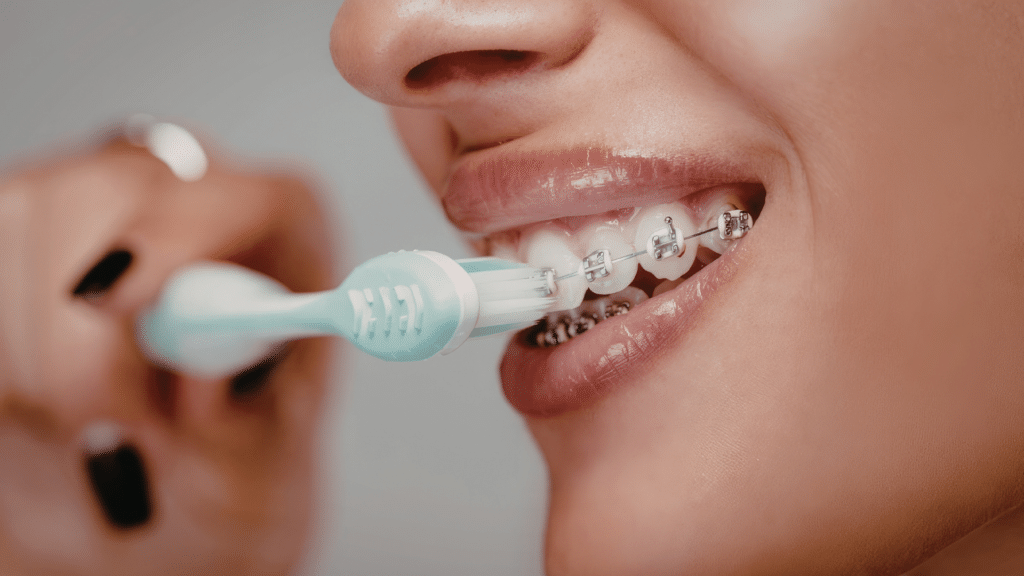
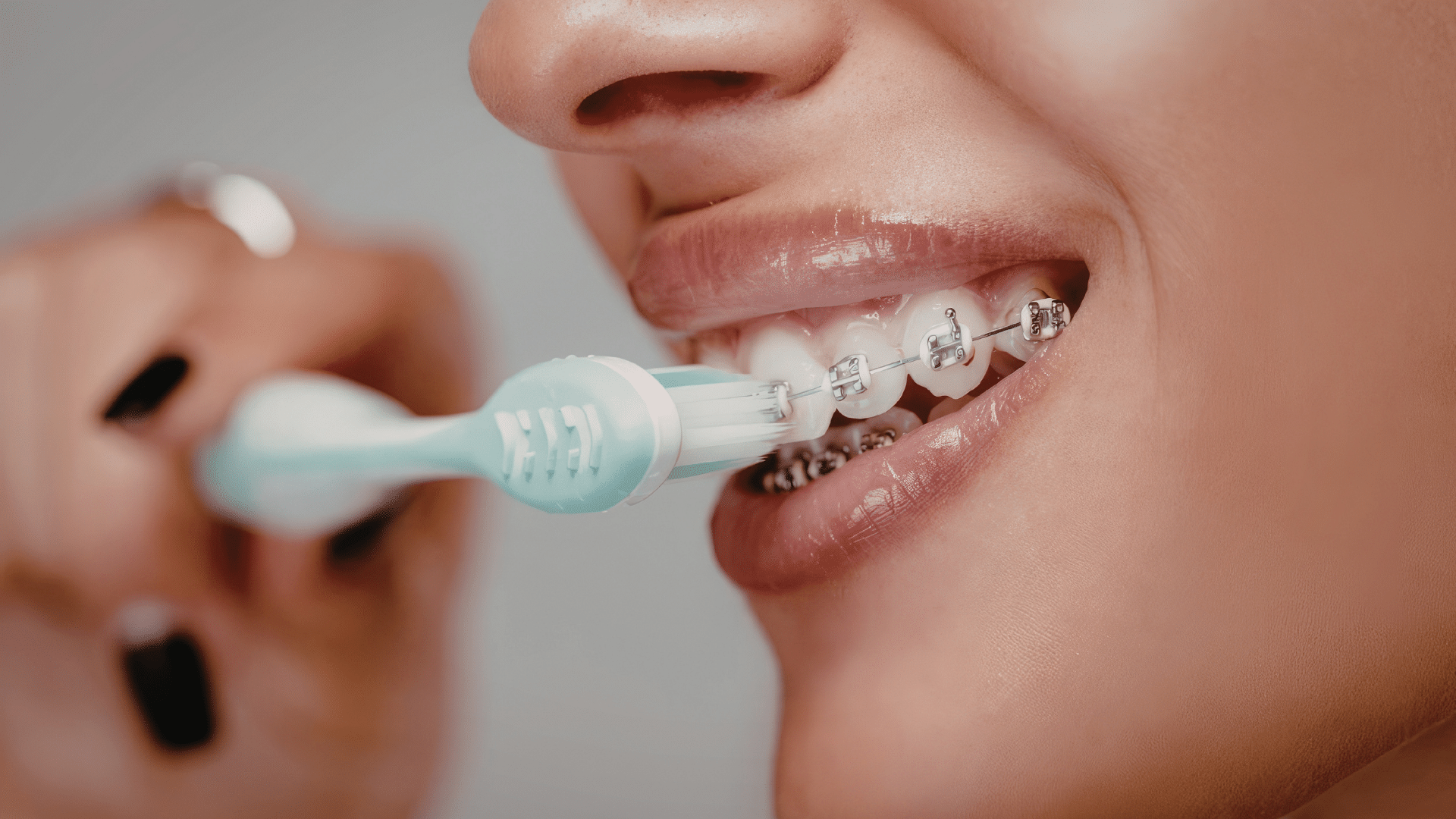
Brush after every meal, and before bedtime. Take a soft brush and angle above and below each bracket to carefully remove plaque especially near the gumline. Do not rush so you can be sure to attend to each surface and the bracket that is attached to it. Everyone should be brushing for at least 2 minutes!
Cleaning and Caring for Braces
Use an interdental brush, floss threader, or water flosser to reach around wires once a day. After snacks, look for any trapped food and remove it immediately. Use wax and contact the office if a wire or bracket becomes loose and irritates the cheeks.
Choosing the Right Toothbrush, Toothpaste, and Mouthwash
You can clean around brackets with either a soft or electric toothbrush. Fluoride toothpaste can help reduce the chance of getting cavities. Mouthwash can also help kill bad bacteria and soothe sensitive gums. A mouthwash that contains fluoride can be helpful at preventing cavities as well.
How Braces Support Whole-Body Health
Improving Chewing, Digestion, and Nutrient Absorption
Correctly aligned teeth break food down more efficiently than incorrectly aligned teeth. This becomes "better chewing", which leads to more effective digestion and thus more nutrients are absorbed. Patients frequently say that they are able to eat easier further into treatment, as treatment progresses.
Reducing Risk of Headaches, Neck Pain, and Jaw Disorders
With a good bite, chewing forces are distributed appropriately, which means less stress is placed on the jaw joints and on the supporting muscles. After treatment, patients sometimes report that they have less headaches, have less neck or jaw pain.
Connections to Heart Health, Diabetes, and More
Gum health relates to improved general health. Plaque control while wearing braces, minimizes developing gum disease associated with diabetes and heart disease. Keeping proper dental hygiene is an easy step that has multiple benefits.
Invisalign - How They Impact Health
Invisalign trays are removable. Removable is easier to clean, but does require some thought and attention to make sure sugars and/or bacteria do not get trapped against the teeth. So remember that clean trays and clean teeth go hand in hand for a healthy and successful treatment.
Increased Risk of Plaque and Tartar Build-Up
Re-inserting your trays after consuming food, sugar or acidic beverages without brushing/rinsing your teeth can trap sugar and/or acid against your teeth. As a result, plaque will accumulate on the teeth and can lead to bad breath or cavities. Good dental hygiene means always ensuring your teeth are clean before re-inserting your invisalign trays.
Gum Inflammation and Periodontal Concerns
Dirty Invisalign trays can aggravate the gum tissue and cause inflammation. Cleaning your aligners regularly as well as providing appropriate home care to the teeth will ensure your tissues stay calm, healthy, and clean. If the gum issue has not subsided please let us know.
Speech and Bite Adjustment
At first, some people might develop a mild change in speech when starting their Invisalign journey. This often goes away after a few days or a couple of weeks at most. The alignment of the bite happens naturally with time, and the functional and comfort of chewing improves as time progresses.
try the dobie revolution video game!

Daily Hygiene Practices with Invisalign
Brushing Techniques
Brush both the aligners and your teeth before putting the trays back in after each meal. If you don’t have access to a toothbrush, then rinse the aligners well and brush them as soon as you can. Brushing and flossing at night completes the day's activity of cleaning.
Cleaning and Caring for Invisalign Trays
Every time you take out your aligners, rinse them and brush them with a soft bristle toothbrush. If possible, use Invisalign cleaning crystals or a gentle, non-abrasive cleaner (denture cleaning tablet or retainer bright) to avoid warping of the plastic. When not in use, make sure and put your trays in the case to keep them clean. Using an ultrasonic retainer cleaner on them daily is also a great addtion.
Choosing the Right Toothbrush, Toothpaste, and Mouthwash
With aligners, use a preferably soft manual or electric toothbrush. Fluoride toothpaste works great because you wear trays for most of the day and this offers added protection to your enamel. Use an alcohol-free antimicrobial mouthwash to keep breath fresh and it also helps minimize plaque.
How Invisalign Supports Whole-Body Health
Improving Chewing, Digestion, and Nutrient Absorption
As alignment improves, chewing improves. Food becomes easier to break down with better digestion and nutrient absorption. This is a true health benefit that patients can appreciate on a daily basis.
Reducing Risk of Headaches, Neck Pain, and Jaw Disorders
Just like with braces, teeth shift into a better balanced bite, helping to reduce tensile strain on facial muscles and jaw joints. Patients often report an experience of reduced habitual jaw fatigue and headache, with time and in retrospect.
Connections to Heart Health, Diabetes, and More
Healthy gum and brushing habits support overall health. It’s important to factor in that plaque control while wearing the aligners decreases the incidence of gum disease and that gum disease is connected to systemic issues like diabetes and heart disease. Your daily care will support both much needed oral health and overall health.
When to Seek Urgent Care for Hygiene Related Issues
If you are having continued gum bleeding or swelling that doesn’t resolve with improved cleaning, please call your Orthodontist. Also, if you are feeling increased sensitivity or swelling due to a broken bracket or broken wire, or have any signs of an infection (fever or pus), then reach out to your Orthodontist. The sooner we can manage your problems, the sooner we can get you back to the course of treatment you need without hygienic delays.
Dobie Revolution: Consistently Voted CT Magazine’s Top Dentists



Conclusion – Making Hygiene a Priority for Lasting Results
Whether you are wearing braces or using Invisalign, you must follow a proper daily oral care routine. Part of your routine should be to brush and floss your teeth, and clean your appliances every day to keep your teeth and gums as healthy as possible. Developing these positive habits will provide a clear path to feeling confident about your smile while in treatment. Maintaining good oral hygiene long term also helps to avoid future complications and retain your results long after your treatment has finished.